
Stitching the Last Days of Summer: Rippled Ruffles Pattern

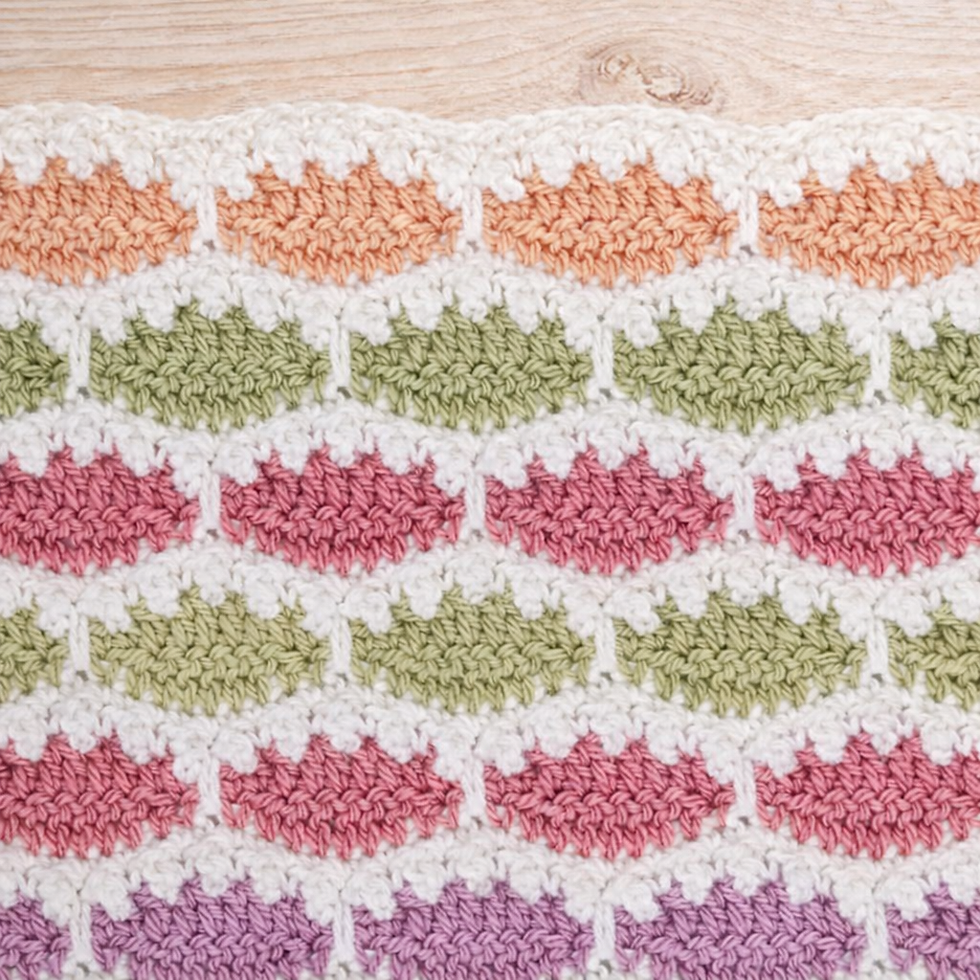
A chevron ripple has a way of making simple stitches look alive. The rises and dips pull the eye across the fabric, almost like water moving under a light breeze or low hills stretching into the distance.
For August, that motion feels especially right. The month sits between seasons. It still carries the warmth of summer, but the evenings start to soften. A ripple worked in sage, peach, and twilight blue captures that shift beautifully. Sage brings the calm, leafy base. Peach adds sunset warmth. Twilight blue gives the piece depth, like shade settling into the edges of a late day.
The stitch does the shaping, while the palette gives it mood. If you’re planning an August Crochet Pattern with a gentle seasonal feel, this combination is a lovely place to start.

Why the rippled ruffle feels right for August
Chevron ripple crochet is built on repetition. Peaks rise, valleys dip, and the rows keep moving. That rhythm is what gives the fabric its wave-like shape.
In brighter colors, a ripple can feel bold and playful. In softer natural shades, it becomes quieter. Sage, peach, and twilight blue make the pattern feel organic instead of graphic. The lines are still clear, but they don’t shout.
That makes the palette especially suited to August.
The sage feels fresh without looking springy. It has that soft foliage quality, like herbs in a kitchen window or leaves turning slightly dusty after weeks of sun. Peach brings warmth without becoming orange or loud. It suggests ripened fruit, warm skies, and the last golden hours of summer. Twilight blue cools the whole thing down. It adds shadow, which keeps the palette from feeling too sweet.
Together, the three shades create a transitional piece. It doesn’t belong only to summer or fall. It sits in that in-between space, which is exactly where August lives.
A ripple stitch also suits this seasonal feeling because it never sits completely still. Even when the item is folded over a chair, the pattern keeps moving. The eye follows one stripe into the next, which makes the finished piece feel relaxed and handmade in the best way.
How the three colors work together
The success of this palette comes from balance. Each color has a clear job, and none of them needs to dominate the whole project.
Color | Feeling it brings | Best use in the ripple |
Sage | Calm, earthy, grounded | Use as a base color or repeat often |
Peach | Warm, soft, sunlit | Use as a glow between cooler rows |
Twilight blue | Deep, restful, shadowed | Use to create contrast and rhythm |
Sage is the anchor. If the piece uses more sage than the other two colors, it will feel peaceful and nature-led. That’s a good choice for a throw blanket, nursery blanket, or anything meant to live in a calm room.
Peach is the light source. A little peach goes a long way because the eye notices warmth quickly. It can brighten the ripple peaks and keep the project from looking too cool.
Twilight blue is the depth. It gives the whole design a sense of evening. Without it, sage and peach can feel airy and soft, but maybe a little flat. The blue adds contrast and helps define the waves.
That mix is why the ripple texture matters. The colors don’t sit in blocks. They move through peaks and valleys, which makes the shades feel connected rather than stacked.

Choosing yarn that shows off the ripple
A ripple pattern looks best when the stitches have enough definition to show the shape. The yarn doesn’t need to be fancy, but it should support the texture.
For most home projects, a smooth worsted weight yarn is a safe choice. It works up at a comfortable pace, shows the chevron shape clearly, and holds up well for blankets and everyday use. DK weight gives a lighter, softer drape, which can be lovely for scarves, wraps, and baby items. Bulky yarn can work too, but the peaks and valleys become larger and more dramatic.
Fiber matters too.
Cotton gives a crisp ripple. It’s great for table runners, dish towels, and warm-weather pieces. Acrylic is easy-care, affordable, and practical for throws that will get plenty of use. Wool and wool blends add warmth and bounce, which makes the ripple feel soft and full.
If the goal is a relaxed August piece, look for yarns with a matte or softly heathered finish. A high-shine yarn can make the palette feel more polished, while a softer finish keeps it grounded.
Before starting a large project, make a small swatch with all three colors. Ripple stitches can change how colors feel once they start zigzagging. A peach that looks gentle in the skein may read much brighter when placed between sage and blue. A twilight blue that looks dark in a ball may soften once it repeats across rows.
A swatch also helps with hook size. If the ripple feels stiff, go up a hook size. If the valleys look loose or uneven, go down slightly or pay closer attention to tension at the decreases.
For a cozy blanket, the fabric should bend easily in your hands. For a table runner or decorative piece, a little firmness can help the ripple hold its shape.
Stitch details that make the ripple cleaner
Chevron ripple crochet usually depends on increases and decreases placed in the same spots on every row. Those increases create the peaks. The decreases create the valleys. Once the pattern is established, the work becomes pleasantly repetitive.
The key is consistency.

If one row has an extra stitch, the peak can shift. If a decrease is missed, the valley may look soft or uneven. That doesn’t mean the piece is ruined, but it’s easier to fix early than later.
Use stitch markers if the repeat is new. Mark the first few peaks and valleys until the rhythm starts to make sense. After several rows, the shape usually becomes easier to read because the stitches tell you where to place the next increase or decrease.
Tension also matters at the turning chain. Ripple edges can start to pull inward if the first and last stitches are worked too tightly. Try to keep edge stitches relaxed, especially if the project will have a border.
Color changes need a little care too. For clean stripes, change color on the final yarn-over of the last stitch in the row. That way the new color is ready when the next row begins. Keep the tails long enough to weave in securely, especially on blankets that will be washed.
A border can finish the piece nicely, but it shouldn’t fight the ripple. A simple single crochet border often works well. You can use sage for a soft frame, twilight blue for definition, or peach for a warmer edge. If the ripple edge is part of the charm, leave the top and bottom zigzag edges visible and only tidy the sides.
Project ideas for this palette
A crochet lifestyle involves designing a cohesive theme and crafting a style that you can incorporate into both your home and wardrobe.
🌿 Crochet Creations
Blankets — the classic use; the waves look stunning draped over a bed or sofa, especially in seasonal hues.
Table runners — the undulating stripes add a handmade charm to rustic or cottagecore tablescapes.
Tote bags — use the ripple as a front panel for a textured, eye‑catching accessory.
Pillow covers — perfect for layering in your workspace or reading nook.
Scarves or wraps — the waves create a natural drape and visual rhythm.
Seat cushions — cozy and tactile, especially in your cottagecore workspace.
🌻 Seasonal Styling Ideas
Pair the sage, peach, and twilight blue with sunflower yellows, acorn browns, and cream neutrals for a cohesive late‑summer look. You could even add embroidered motifs—tiny acorns or petals—to tie the theme together.
A gentle finish for late summer making
The August Rippled Chevron works because the stitch and colors are telling the same story. The ripple brings movement. Sage keeps it calm. Peach adds the last glow of summer. Twilight blue cools the edges and hints at the season ahead.
If you’re starting one, keep the plan simple at first. Choose a smooth yarn, make a small swatch, and test a stripe sequence before committing to the full piece.
That’s the charm of this combination. It feels handmade, seasonal, and easy to live with. Like August itself, it holds warmth and shadow in the same row.
#BloggingTheMoon #LearnNewStitches #RippledRufflesPattern #TheCrochetedMoon #HandmadeWithLuv #CMcrochetLifestyle



Comments